The Strait of Hormuz is becoming a ghost town and the world isn't ready
One of the planet's most critical shipping routes just experienced a stunning collapse in traffic. Here's what's actually happening and why it matters for your wallet.
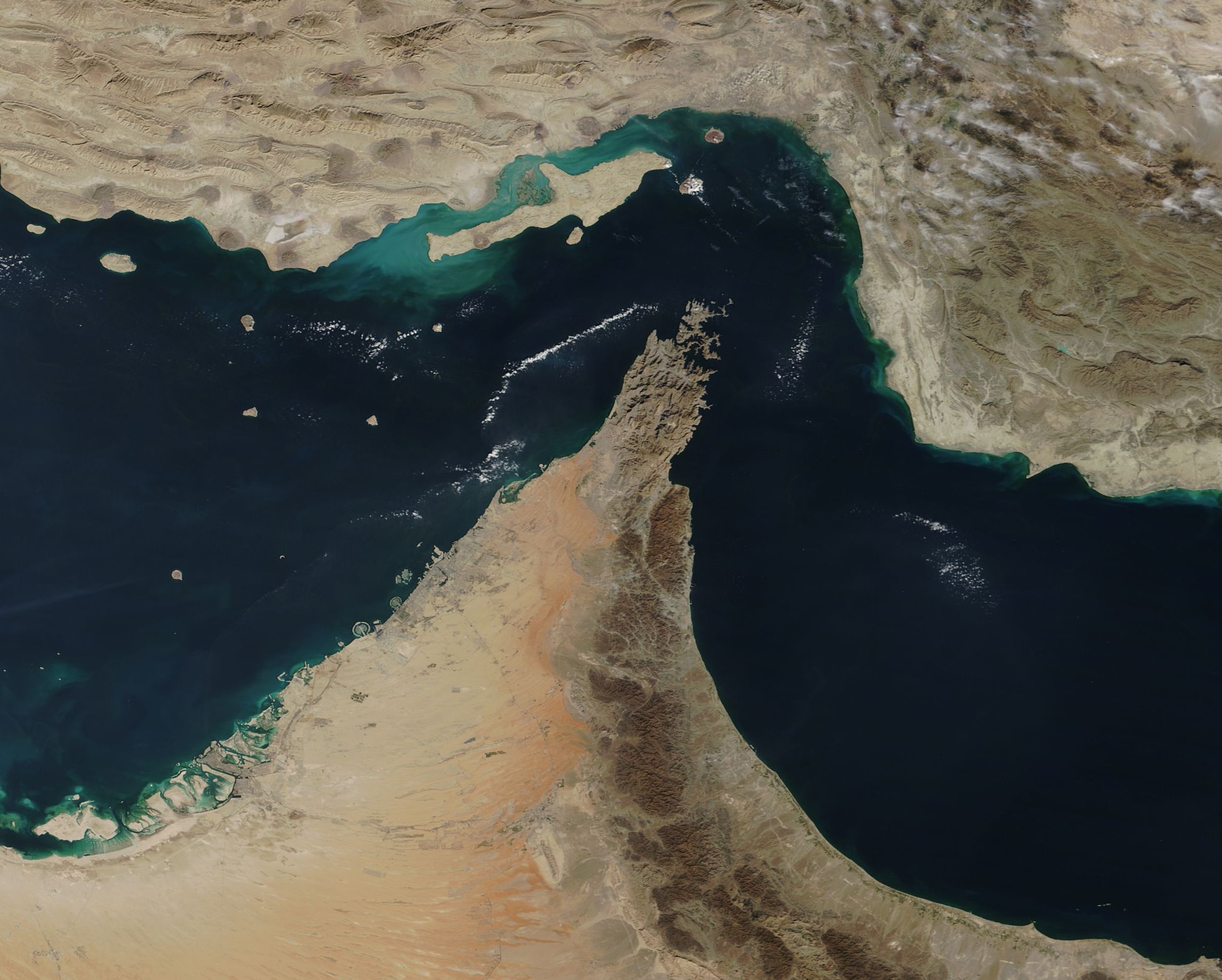
The Strait of Hormuz, a waterway that literally feeds the global economy, is experiencing an unprecedented traffic meltdown.
This narrow chokepoint between Iran and Oman normally handles roughly one-third of the world’s maritime oil trade. It’s the lifeline connecting Middle Eastern crude to factories and gas stations across Europe, Asia, and North America. When oil flows through the Strait, everything flows. When it doesn’t, economies shudder.
And right now, it’s barely flowing at all.
Shipping data reveals a jaw-dropping decline in vessel traffic through the waterway. Tankers that once queued up for weeks now pass through with alarming emptiness. The drop isn’t marginal - it’s catastrophic enough to reshape global energy markets and trigger ripple effects across supply chains worldwide.
The collapse stems from multiple converging crises. Ongoing regional tensions have made navigation hazardous. Insurance premiums for ships braving the route have skyrocketed, making transit economically punishing. Some vessel operators are now choosing the brutal alternative: the 6,000-mile detour around Africa’s Cape of Good Hope. That adds weeks to journey times and mountains to shipping costs, but they’re doing it anyway. That’s how frightening conditions have become.
Meanwhile, crude prices are feeling the pressure. The market is grappling with genuine uncertainty: Is this a temporary disruption, or are we witnessing a permanent shift in how energy flows to the West?
Shippers are making contingency plans. Alternative routes are being weaponized. Strategic reserves are being tapped. Energy companies are frantically pivoting away from traditional supply chains. Every decision ripples outward, affecting everything from heating costs to airline fuel surcharges to the price of plastic goods.
The Strait of Hormuz crisis isn’t just a maritime story. It’s an economic time bomb with a ticking clock. And nobody truly knows when - or if - traffic will return to normal.
The visual data tells an undeniable story: one of the world’s most essential corridors is shutting down, and we’re all about to feel it.
← Back to home



Comments
Loading comments…
Leave a comment
Your name and masked IP address will be publicly visible.