The Disturbing Nazi Language Making a Comeback in Modern Political Discourse
Historians are sounding the alarm: dehumanizing rhetoric from WWII is being weaponized in contemporary geopolitics, and most people don't even realize it's happening.
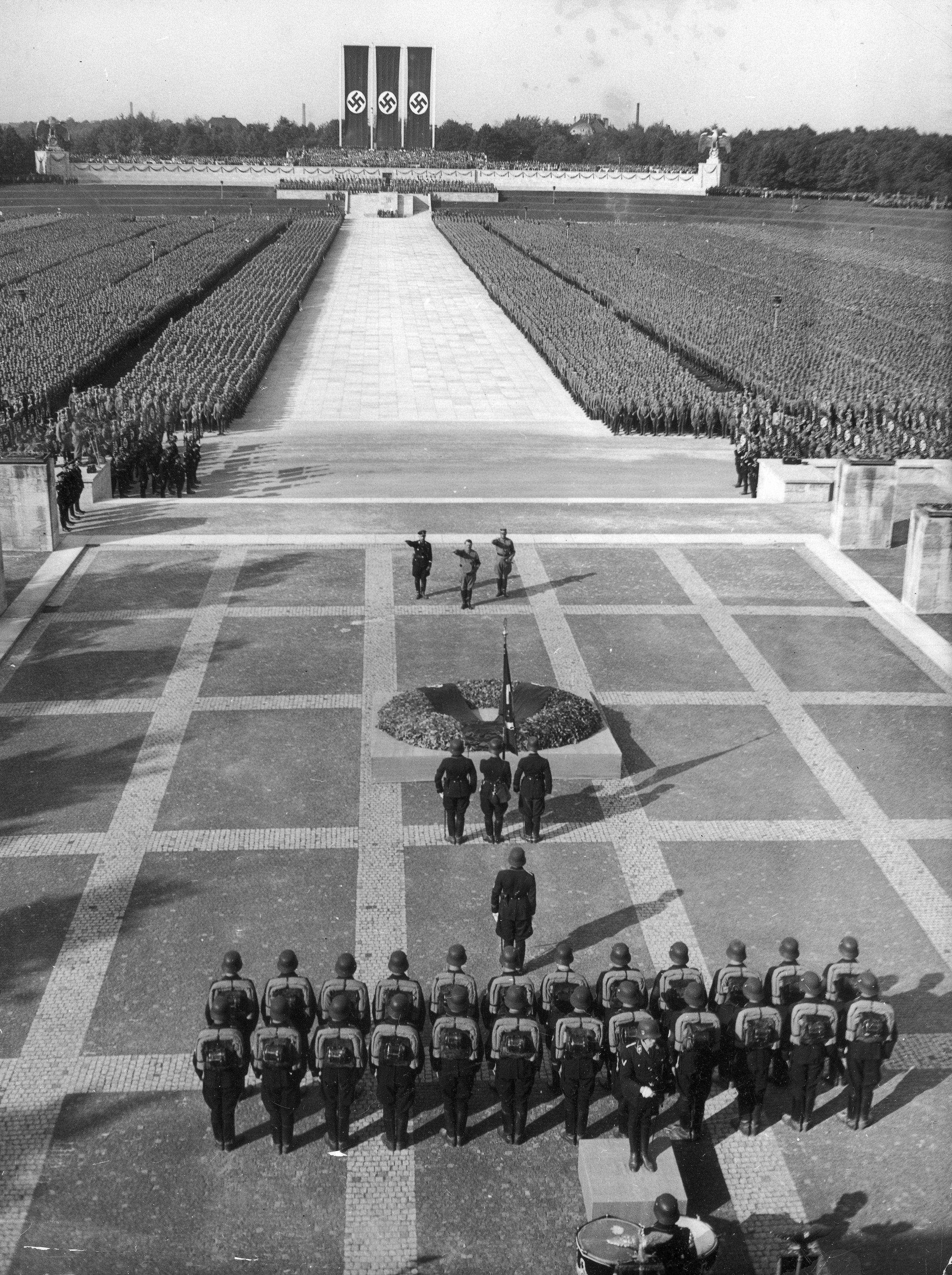
The uncomfortable truth is staring us in the face. Historical dehumanization tactics, once confined to the darkest chapters of the 20th century, are resurfacing in modern political language and propaganda.
Scholars studying contemporary conflict narratives have identified a disturbing pattern: the vocabulary used to describe enemies echoes the Nazi regime’s calculated dehumanization strategies. Terms that strip away humanity, replace dignity with degradation, and prepare populations psychologically for conflict are back in circulation.
During the Nazi era, the regime systematized linguistic dehumanization as a precursor to violence. By categorizing entire groups as subhuman, they constructed a narrative framework that made atrocities psychologically palatable. This wasn’t accidental. It was engineered propaganda.
Today’s geopolitical tensions are employing eerily similar tactics. In contemporary discourse, entire nations and populations are being reduced to caricatures and animalistic descriptors. The language has changed slightly, but the mechanism remains identical: strip away shared humanity, establish an unbridgeable moral gap, justify whatever follows.
Historians warn this pattern is cyclical and deliberate. When populations become linguistically separated from their perceived enemies, institutional violence follows with alarming predictability. The vocabulary precedes the violence by months or years, but it arrives with mechanical certainty.
The danger lies in normalization. When extreme rhetoric becomes everyday conversation, societies lose their ability to recognize propaganda. The guardrails erode gradually, then all at once.
What makes this particularly insidious is how the process operates invisibly. Few people consciously register the dehumanizing language they consume daily. It embeds itself through repetition, through news cycles, through social media algorithms designed to amplify outrage and division.
The historical record is clear: this linguistic pathway has consequences. Understanding the mechanism is the first step toward interrupting it. Recognizing dehumanization when it appears, regardless of which side deploys it, is essential to preventing history from repeating itself with updated vocabulary.
← Back to home




Comments
Loading comments…
Leave a comment
Your name and masked IP address will be publicly visible.