NIGHTMARE AT SEA: Deadly Hantavirus Spreads Between Cruise Ship Passengers, WHO Confirms
Travelers trapped on a cruise ship are facing a terrifying reality: the hantavirus is jumping from person to person. The WHO just made an alarming announcement that changes everything we thought we knew about this disease.
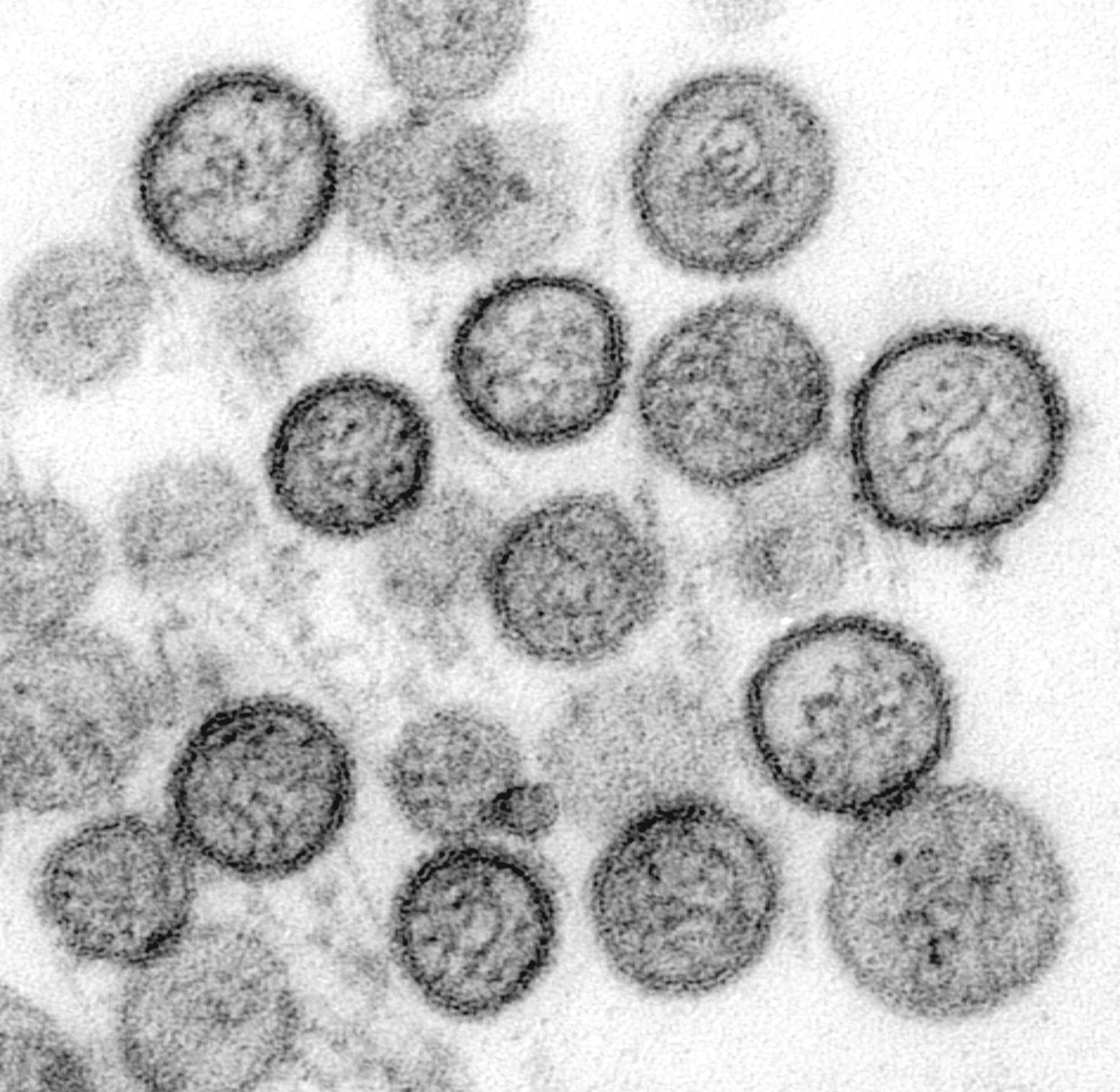
The World Health Organization just issued a bombshell warning that’s sending shockwaves through the travel industry: hantavirus transmission between humans has been confirmed aboard a cruise ship.
This revelation marks a devastating turning point. For decades, hantavirus was believed to spread exclusively through contact with infected rodent droppings, urine, or saliva. Person-to-person transmission was considered virtually impossible. Until now.
Passengers and crew trapped on the vessel are now grappling with a nightmare scenario. The WHO’s confirmation suggests the virus has mutated or behaved in ways that defy everything medical experts previously understood about its transmission patterns.
Hantavirus is brutally efficient once it takes hold. The infection triggers hemorrhagic fever with renal syndrome, characterized by high fever, severe headaches, muscle aches, and kidney failure. Mortality rates range from 1 to 15 percent depending on the virus strain. There is no cure, no vaccine. Treatment focuses solely on managing symptoms while hoping the body’s immune system prevails.
The cruise ship environment is essentially a petri dish for viral spread: thousands of people packed into confined spaces, shared ventilation systems, common dining areas, and high-touch surfaces. Hand railings. Elevator buttons. Bathroom fixtures. Every surface becomes a potential transmission vector.
Contacted passengers describe escalating panic as one guest after another falls ill with inexplicable symptoms. Medical facilities aboard cruise ships are notoriously limited, equipped to handle minor injuries and seasickness, not hemorrhagic fever outbreaks.
The WHO investigation into the outbreak is ongoing, but authorities have already begun contact tracing protocols and isolation procedures. Suspected cases are being quarantined in designated cabins, though confining potentially infectious individuals in enclosed spaces raises additional contamination risks.
Public health officials worldwide are now reconsidering their assumptions about hantavirus. If human-to-human transmission is possible in cruise ship conditions, what does that mean for hospitals, airports, and densely populated cities? The implications are staggering.
This outbreak represents a watershed moment in virology. The virus that was supposed to remain a rodent-borne novelty has demonstrated disturbing adaptability. As the cruise ship remains at sea, scientists race against time to understand exactly how this transmission occurred and what safeguards might prevent it from happening again.
← Back to home



Comments
Loading comments…
Leave a comment
Your name and masked IP address will be publicly visible.