Trump's Uno Bluff: Can US Military Really Control the Strait of Hormuz
Trump claims to hold all the cards against Iran over the Strait of Hormuz, but Tehran controls a chokepoint shipping 20% of global oil and gas while Washington struggles with soaring gas prices at home.
The White House posted a photo of President Donald Trump holding Uno cards on Sunday with the caption “I have all the cards,” a statement of confidence that landed with a thud when Iran’s Consulate in Hyderabad pointed out that holding all cards in Uno actually means you’re losing.
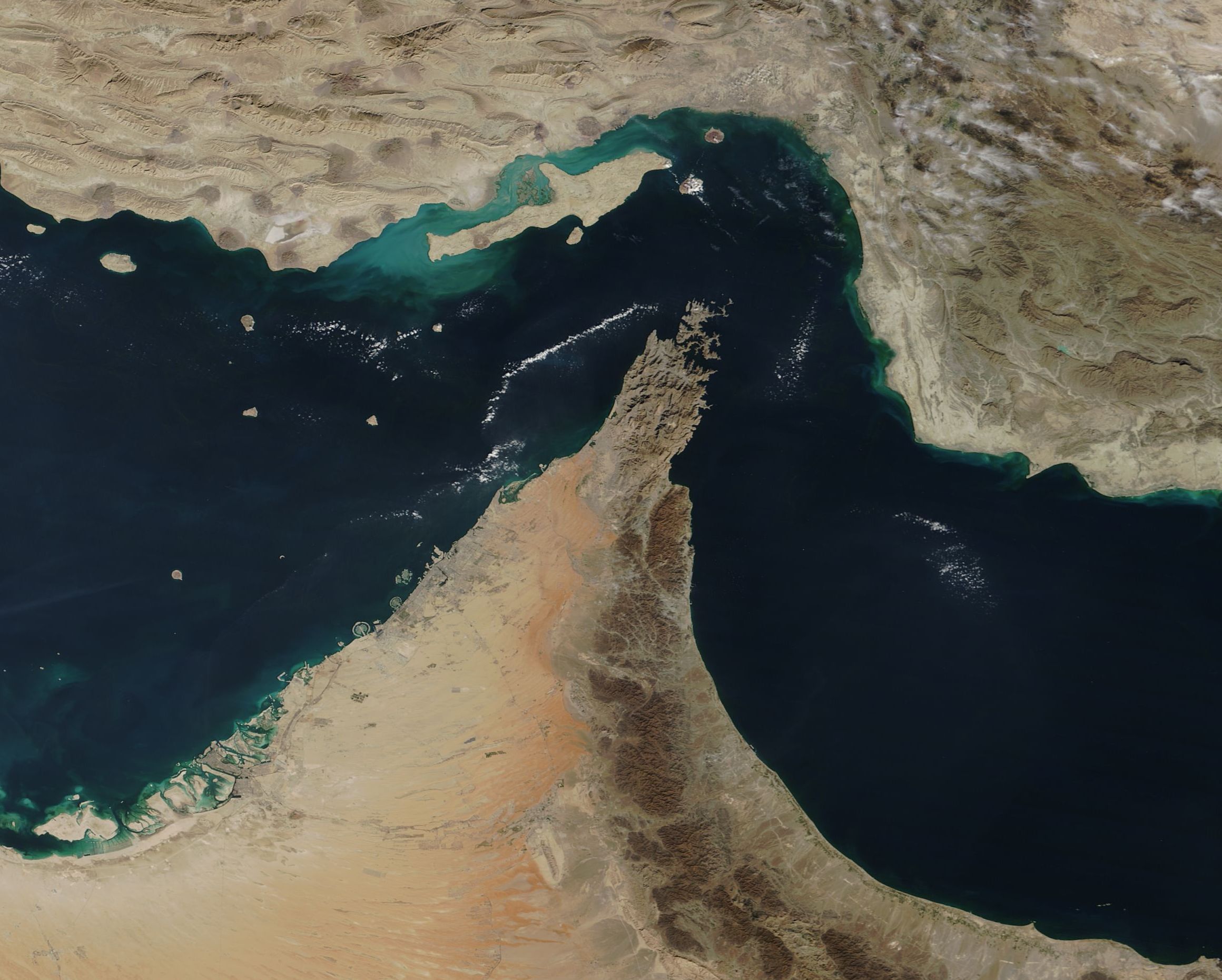
The performative card-playing came after Trump announced the US military would begin escorting ships through the Strait of Hormuz under an operation he branded “Project Freedom.” The move signals escalation despite a fragile month-old ceasefire, as Iran has effectively blockaded the waterway for over two months following US-Israeli strikes on Iranian targets.
The strategic picture, however, suggests the hand metaphor breaks down quickly. Washington does wield genuine leverage: a grinding sanctions regime dating to 1979 that has strangled Iran’s economy, overwhelming military superiority including aircraft carriers and precision strike capabilities, and a naval blockade implemented since mid-April that has intercepted dozens of vessels and seized shipping.
Yet Iran controls something Washington cannot easily replicate: the Strait of Hormuz itself. This narrow passage carries roughly one-fifth of global oil and liquefied natural gas supplies. By effectively closing it, Tehran has sent energy prices into chaos. US gasoline hit $4.30 per gallon last week, up from under $3 before the war, compounding inflation and deepening the economic uncertainty plaguing Trump politically.
Iran’s Islamic Revolutionary Guard Corps responded to Trump’s announcement by redefining the strait’s boundaries, extending them further east, and warning that any vessel not coordinating with them “will be stopped by force.” The IRGC also released a new map establishing its expanded authority.
Iran possesses additional leverage through its network of allied armed groups across Iraq, Syria, Lebanon (Hezbollah), and Yemen (the Houthis), which can target US interests indirectly.
Even if the US successfully escorts some tankers through, the threat of Iranian mines or missile strikes may discourage operators from attempting transit at all. Insurance companies are unlikely to underwrite voyages under current conditions.
Trump claims negotiators are engaged in “very positive discussions” with Tehran, though he offered no specifics. Whether escorting ships will actually clear the waterway remains uncertain when the fundamental strategic leverage rests with whoever controls the geography.
← Back to home

Comments
Loading comments…
Leave a comment
Your name and masked IP address will be publicly visible.