Prisons wage tech war against drone delivery services
Unmanned aerial vehicles now ferry contraband to inmates with the efficiency of a fast-food app, forcing facilities to deploy their own countermeasures.
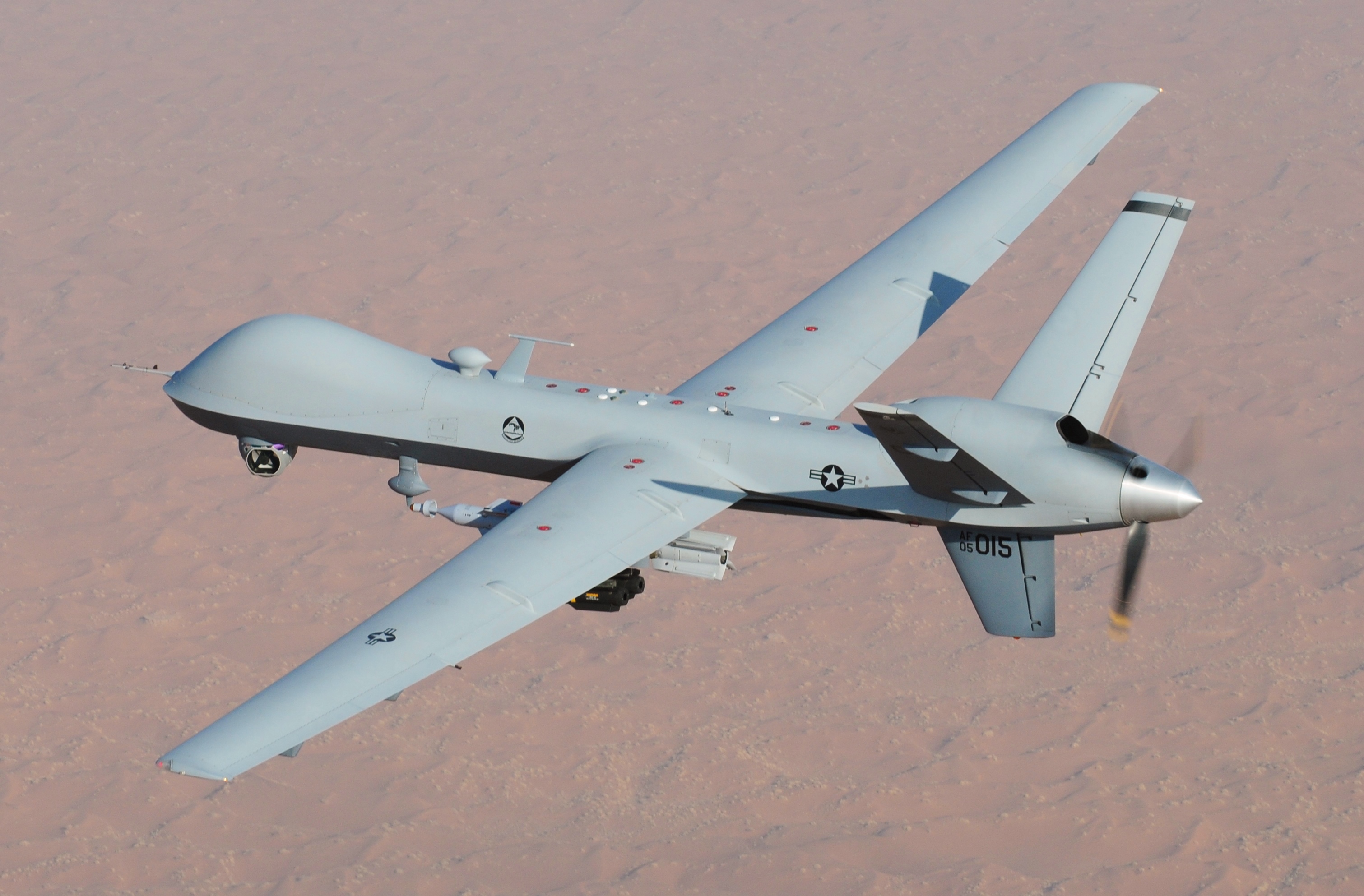
Prison officials across the country face a growing headache: drones have become the Amazon Prime of incarceration, delivering everything from narcotics to hacksaw blades to the occasionally luxurious seafood appetizer.
The phenomenon has evolved from novelty to genuine security concern. Contraband arrives via unmanned aircraft with impressive regularity, and facility managers compare the operation to a functioning delivery service. One inmate’s cell phone order arrives within hours. Another request nets escape tools. A third brings crab legs, because apparently prison menus lack sufficient culinary ambition.
The logistics are straightforward enough: associates outside the facility coordinate with inmates on the inside, timing drops to exploit gaps in surveillance coverage. Operators fly low, move fast, and deposit goods in blind spots between buildings or near yard perimeters. By the time guards notice anything, the drone vanishes into the night sky.
This isn’t theoretical threat analysis. Facilities have recovered multiple drones mid-operation. The items confiscated read like a contraband wish list: drugs, weapons, phones, chargers, and yes, seafood. The crab legs incident perfectly encapsulates the surreal nature of modern prison management: security officials must now prevent inmates from receiving dinner entrées via aerial delivery.
Correctional institutions scramble to adapt. Some facilities install netting over exercise yards. Others deploy signal jamming technology. A few have launched their own drone programs to intercept incoming aircraft. The arms race mirrors any emerging security challenge: innovations in criminal logistics spark countermeasures, which spawn workarounds, ad infinitum.
The core problem remains frustratingly simple: drones are cheap, reliable, difficult to track, and require minimal expertise to operate. Unlike contraband hidden in laundry shipments or visitor packages, aerial delivery eliminates human intermediaries. No corrupt guard to cultivate. No delivery person to intercept. Just timing, coordinates, and a device that costs less than the weekly entertainment budget.
Prison officials acknowledge they’re playing catch-up against an enemy that thinks in three dimensions. Until facilities develop foolproof detection and interception capabilities, crab legs and escape tools will continue raining down on correctional facilities like mechanical storks delivering bundles of trouble.
← Back to home