Leo Frank case remains contested a century after lynching
The 1913 murder conviction and subsequent lynching of factory manager Leo Frank continues to generate historical debate, with his 1986 posthumous pardon failing to settle questions about guilt.
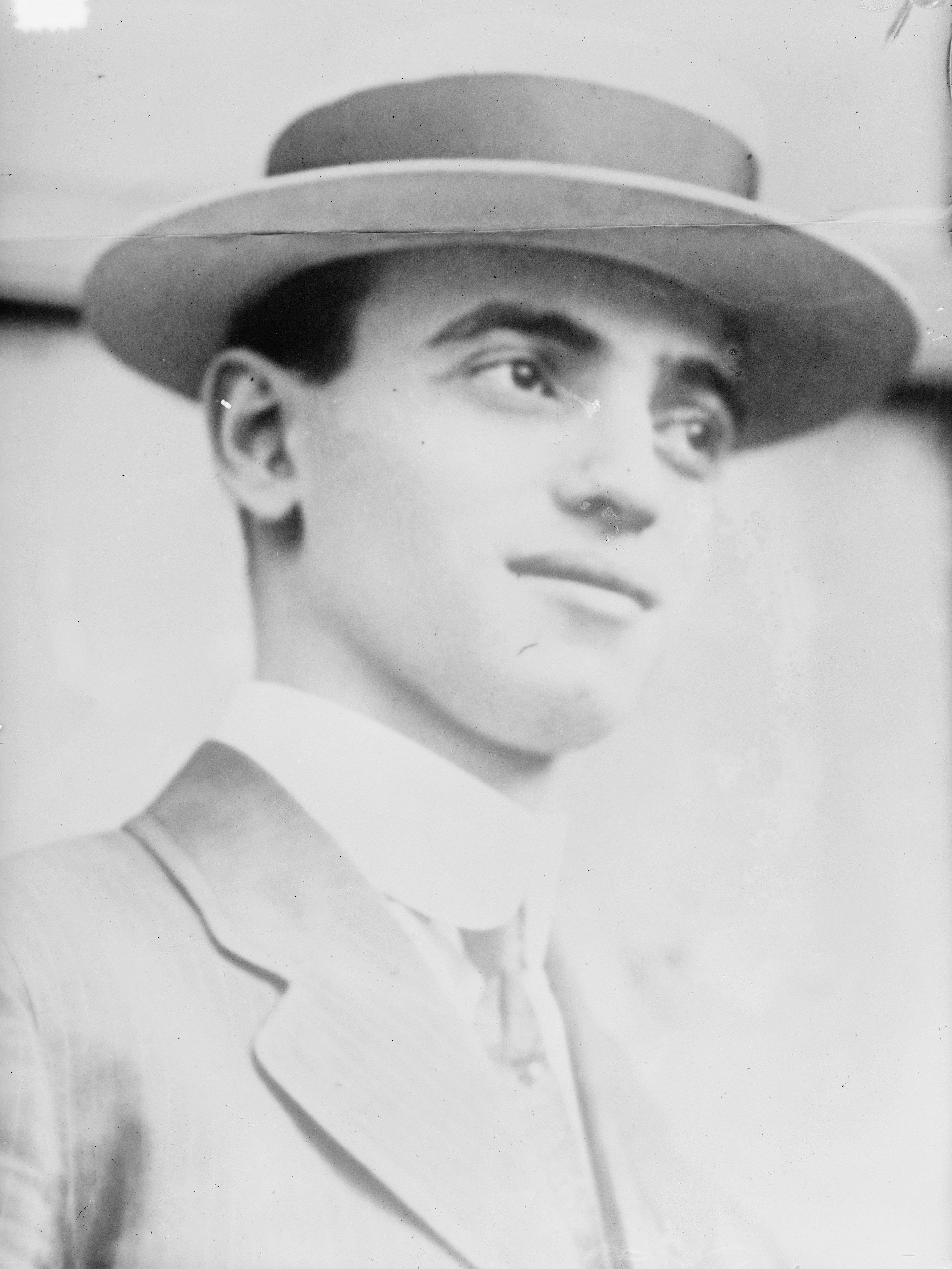
More than a century after his death, Leo Frank’s case remains one of America’s most contentious episodes of mob justice and contested exoneration.
Frank, a Jewish factory manager in Atlanta, was convicted in 1913 of murdering 13-year-old Mary Phagan, a worker at his pencil factory. He was sentenced to death, but Georgia’s governor commuted his sentence to life imprisonment in 1915. That same year, a mob removed him from the state prison farm and lynched him.
In 1986, Georgia’s parole board issued Frank a posthumous pardon, citing the state’s failure to protect him from mob violence. The pardon has been widely characterized as an exoneration by civil rights advocates and Jewish organizations, and Frank’s case became foundational to the creation of the Anti-Defamation League, established shortly after his death.
However, the case remains historically disputed. Scholars and observers disagree sharply on whether the pardon constitutes a finding of innocence or merely acknowledges procedural injustice. The trial records show Frank’s legal team presented an alternative theory of the crime, while prosecutors built their case on witness testimony and circumstantial evidence.
Central to ongoing debate is the testimony of Jim Conley, an African American factory worker who was initially suspected. Conley testified against Frank but was not prosecuted. Questions have persisted about whether investigators shaped his account or whether his testimony was reliable.
Modern historians point to the trial’s handling and the hostile press coverage as evidence of a flawed process. Others argue the physical evidence and witness accounts supported conviction even by contemporary standards, and that the pardon represents political rather than forensic vindication.
The case has become a lens through which Americans view lynching, antisemitism, racial injustice, and the reliability of historical records. Its symbolic importance to discussions of mob violence and judicial fairness has outlasted definitive resolution of Frank’s actual guilt or innocence.
← Back to home