Debate erupts over authenticity of anti-Indian sentiment online
A contentious discussion has emerged questioning whether hostility toward Indian immigrants and culture is organic frustration or manufactured division, with participants offering competing explanations.
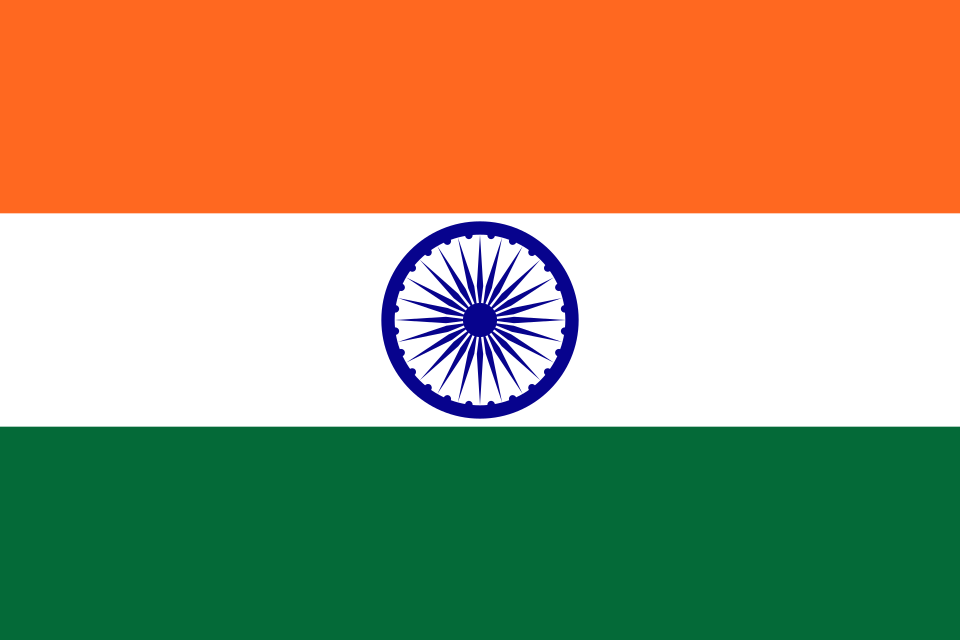
A significant debate has surfaced online regarding the origins and authenticity of anti-Indian sentiment circulating widely across the internet, with participants offering sharply divergent interpretations of the phenomenon.
Proponents of the “manufactured” theory argue that the intensity and coordination of negative messaging targeting Indians represents a deliberate campaign rather than grassroots opinion. According to this view, the timing and scale of the hostility suggests external manipulation designed to distract from other controversies or divide populations. Some observers in this camp point to the selective nature of such campaigns, noting that other groups face less coordinated opposition despite comparable concerns.
Opposing this theory are those who contend that anti-Indian sentiment stems directly from increased exposure and cultural friction. They argue that as Indian immigration has accelerated and Indian workers have become more visible in technology, retail, and service sectors across Western countries, negative perceptions have naturally followed. Proponents of this view cite personal interactions, documented incidents of criminal behavior, and cultural incompatibilities as sufficient explanation without requiring a coordinated campaign.
Some participants attempt to bridge these positions, suggesting that while baseline friction may be genuine, existing hostility has been “dialed up” by those seeking to manipulate public opinion or distract from other events. This middle ground acknowledges both organic grievance and opportunistic amplification.
The debate has grown heated, with participants invoking historical prejudices, documented social problems in India, immigration policy concerns, and broader questions about cultural integration in Western societies. The discussion reveals deep divisions over how to distinguish between authentic public opinion and manufactured narrative, particularly in online spaces where content spreads rapidly.
Central to the dispute is whether the volume and intensity of negative messaging reflects the actual prevalence of anti-Indian attitudes or whether it represents disproportionate visibility given the underlying sentiment. The question remains unresolved, reflecting broader skepticism about the authenticity of online discourse and the difficulty of isolating genuine public opinion from coordinated campaigns.
← Back to home