Iran's 14-Point Peace Plan Lands on Trump's Desk, Skepticism Follows
Tehran submits a comprehensive proposal to end the ongoing conflict, but nuclear disputes and Strait of Hormuz control remain fundamental obstacles to a deal.
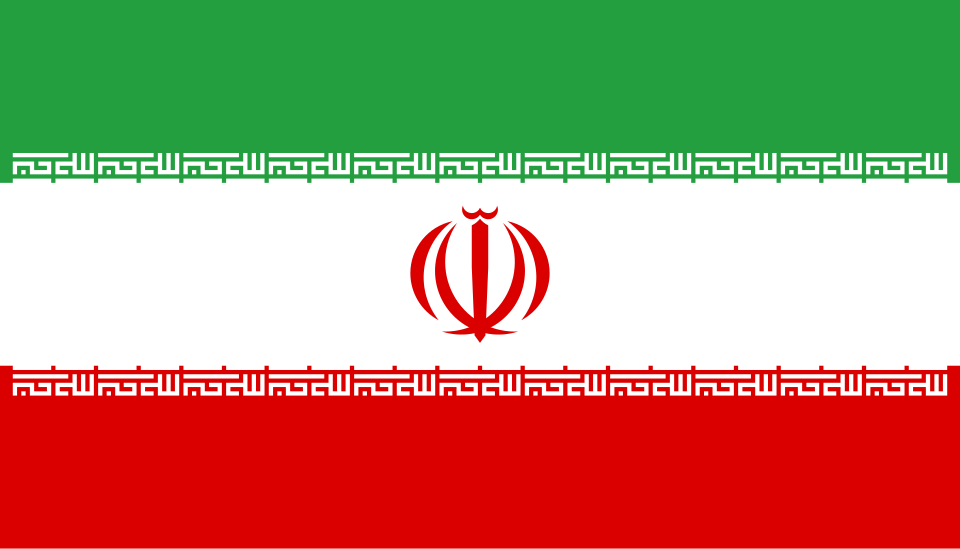
Iran has tabled a 14-point peace proposal aimed at ending the war with the United States, marking another diplomatic maneuver in a conflict that has exposed vulnerabilities in American military strategy and destabilized global energy markets.
President Trump said Saturday he was reviewing the proposal but expressed doubt about reaching an agreement with Tehran. This follows frustration with an earlier Iranian offer channeled through Pakistan, which brokered the ceasefire that took effect April 8.
Tehran submitted the plan Thursday through Pakistani intermediaries, crafting it as a response to a nine-point American proposal focused primarily on extending the existing truce. Iran’s new framework prioritizes a permanent settlement rather than temporary respite, insisting on resolution within 30 days.
The Iranian proposal demands several concessions: guarantees against future military strikes, withdrawal of US forces from regions surrounding Iran, release of billions in frozen assets, comprehensive sanctions relief, war reparations, cessation of all hostilities including in Lebanon, and establishment of a new mechanism governing navigation through the Strait of Hormuz. Tehran also seeks guaranteed rights to uranium enrichment under the Non-Proliferation Treaty framework.
The nuclear question remains the primary sticking point. Trump has declared Iran’s atomic capabilities a “red line,” while Tehran views enrichment rights as fundamental to national sovereignty. A second obstacle involves the Strait of Hormuz, through which roughly one-fifth of global oil and gas shipments transit. Iran wants guarantees protecting its naval interests; Washington demands Tehran end its effective blockade of the waterway.
Georgetown University scholar Paul Musgrave noted Iran “slightly softened” its stance by potentially dropping preconditions about the US blockade. Yet the proposal still insists on maintaining uranium enrichment and establishing shipping controls. On these two core issues, the parties remain “far apart,” he said.
Kenneth Katzman from the Soufan Center pinpointed a deeper problem: Iranian mistrust of Trump himself. The blockade’s economic devastation has hardened Tehran’s negotiating position, he explained, creating an impasse that could trigger American escalation.
Trump responded with characteristic bluntness, warning that resumed attacks remain possible if Iran “misbehaves” and claiming Tehran desperately needs a deal because conflict has “decimated” the country. Later, he dismissed the proposal on Truth Social, insisting Iran “has not yet paid a big enough price.”
Analysts note Trump may have rejected the plan without thorough review. Neither side appears ready to abandon negotiations immediately, though fundamental disagreements on nuclear policy and regional control threaten to derail progress.
← Back to home