David Foster Wallace's Infinite Jest Remains Deeply Contested
Sixteen years after publication, the 1,079-page novel continues to divide readers over its plot, themes, and artistic merit.
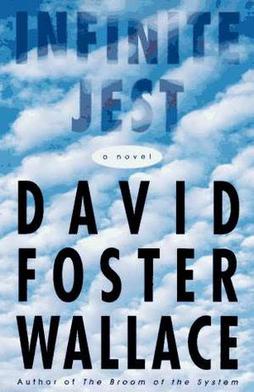
David Foster Wallace’s “Infinite Jest” remains one of contemporary literature’s most divisive works, with readers sharply disagreeing on whether its sprawling narrative, dense endnotes, and difficult subject matter constitute genius or self-indulgent excess.
The novel, set in a near-future North America and spanning over 1,000 pages, centers on a tennis academy and a halfway house, with plot threads involving a mysterious film so entertaining it renders viewers catatonic. Since its 1996 publication, the book has attracted devoted interpreters who see remarkable thematic complexity in its interlocking narratives and recurring motifs.
Supporters point to Wallace’s structural sophistication, particularly in how characters and scenes serve as “instances of theme” that inform and illuminate each other across the entire novel. One observer noted: “When you start to see how it all works it starts feeling like each and every word can be traced through the book to reveal another layer of nuance and depth.” These readers praise the endnotes as clever devices that weave seemingly disconnected elements into a coherent whole.
Others argue the novel collapses under its own weight. Critics object to what they view as the author’s unresolved personal demons dominating the narrative. The work is relentless in depicting addiction, trauma, and suicidal ideation. One reader described it as “exploitative literature, ‘come take a look in the mind of a suicide case’,” noting that childhood sexual trauma and parental dysfunction recur throughout in ways that feel repetitive rather than illuminating.
The disputed plot presents another sticking point. Some readers accept that the climactic narrative threads intentionally fail to resolve, viewing this as thematically consistent with the novel’s meditation on cycles of addiction and self-delusion. Others found the unresolved conclusion frustrating, having invested in character arcs that never reached closure.
Characterization sparks particular debate. Wallace’s depiction of working-class African American speech patterns in sections like the Wardine chapter draws criticism as potentially caricatured or offensive. His treatment of female characters, particularly around themes of maternal jealousy and incestuous imagery, strikes some as bearing the author’s biographical baggage rather than serving artistic purpose.
Yet even skeptical readers frequently acknowledge Wallace’s technical mastery. The novel demonstrates ambitious formal experimentation and moments of darkly comic brilliance. Its reputation continues to evolve as new generations encounter it, with some discovering fresh relevance in its portraits of alienation and technological ennui.
← Back to home