Medieval Metaphysical Arguments for God's Existence Face Fresh Scrutiny
Thomistic philosophical proofs based on essence, existence, and causality encounter persistent challenges from critics who question their foundational premises and logical rigor.
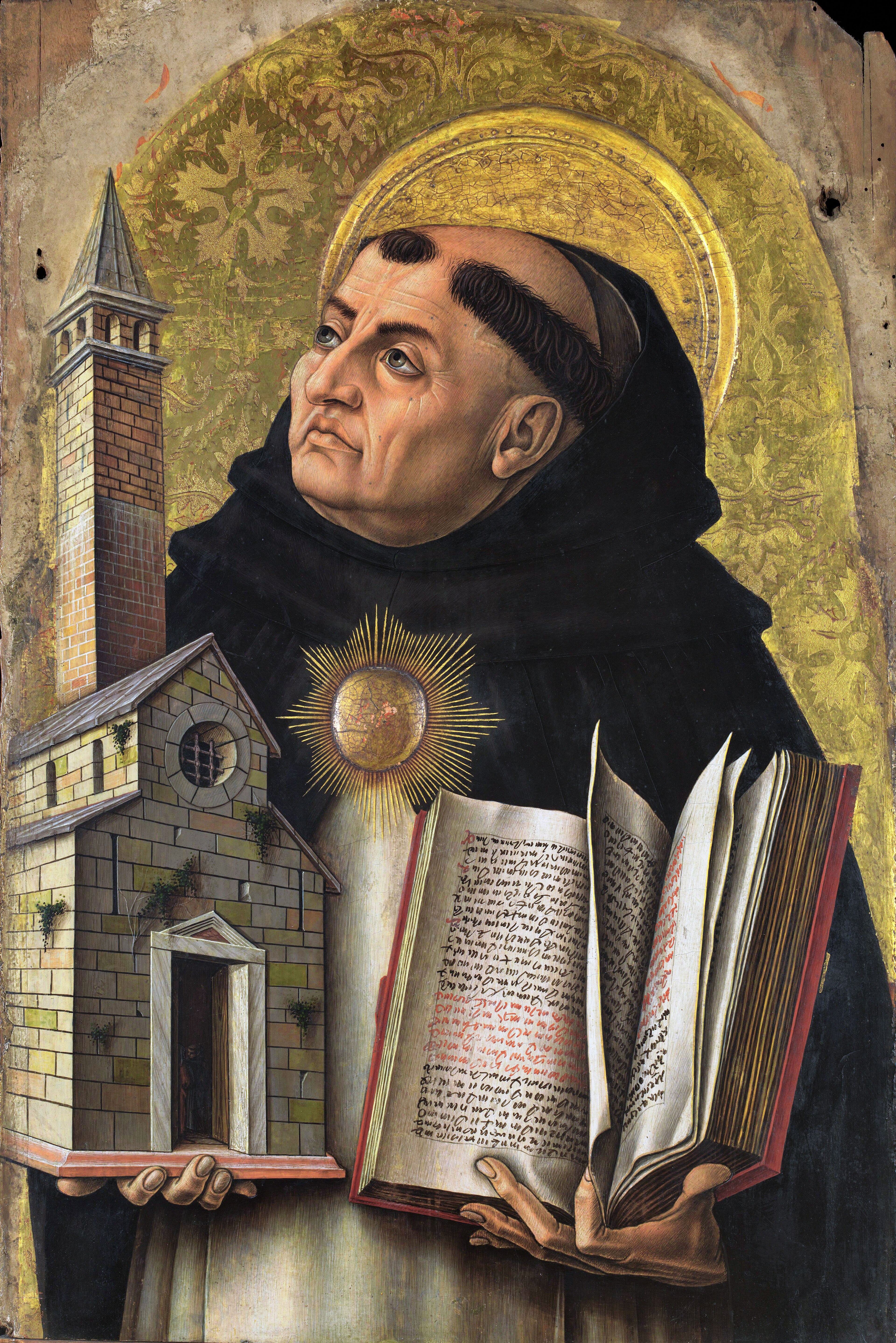
Classical arguments for God’s existence rooted in medieval scholasticism continue to generate heated philosophical debate, with contemporary critics raising fundamental objections to their logical structure and underlying assumptions.
The arguments in question, drawing heavily from Thomas Aquinas and related Aristotelian metaphysics, rest on several core premises: that finite beings possess a distinction between essence and existence; that this distinction necessitates an external source of existence; and that an infinite regress of explanations is impossible, therefore requiring a first uncaused cause identified as God.
Proponents of these arguments emphasize their grounding in observable reality. “Sunlight explains plants which explain why there is oxygen,” one source noted, offering everyday examples of causal chains to illustrate how existence itself requires explanation. The argument holds that without a first source possessing existence necessarily rather than derivatively, no finite being could adequately be explained.
Critics, however, challenge the logical coherence at multiple points. Objections focus on undefined or contested terminology. “Define ‘finite.’ Define ‘essence,’” one observer demanded, arguing that without precise definitions the entire logical structure collapses into circular reasoning. Others question whether an infinite regress truly creates the explanatory problem the argument assumes, suggesting that an eternal chain requires no “first” explanation any more than God does.
The debate extends to the concept of a “maximally great being.” Skeptics argue this formulation commits special pleading, applying different standards to God than to finite things. One critic contended that the argument simply presupposes its conclusion by constructing definitions that guarantee the existence of a maximum being.
Particularly contentious is whether these metaphysical proofs actually bridge the gap to Christian theology. Even granting the existence of an uncaused cause, critics note, this tells us nothing about whether that entity possesses consciousness, omnipotence, or the specific attributes Christians ascribe to God. “You mean like God in front of iron chariots?” one observer quipped, referencing biblical accounts of God’s apparent limitations.
The exchange reflects a broader divide: whether absence of explanation constitutes genuine philosophical problem demanding resolution, or merely honest acknowledgment of unknowability. This centuries-old debate shows no signs of resolution.
← Back to home