What Did Jesus Actually Look Like? Historical Evidence Remains Scant
No contemporary written accounts describe Jesus's physical appearance, leaving modern reconstructions largely speculative despite widespread artistic traditions.
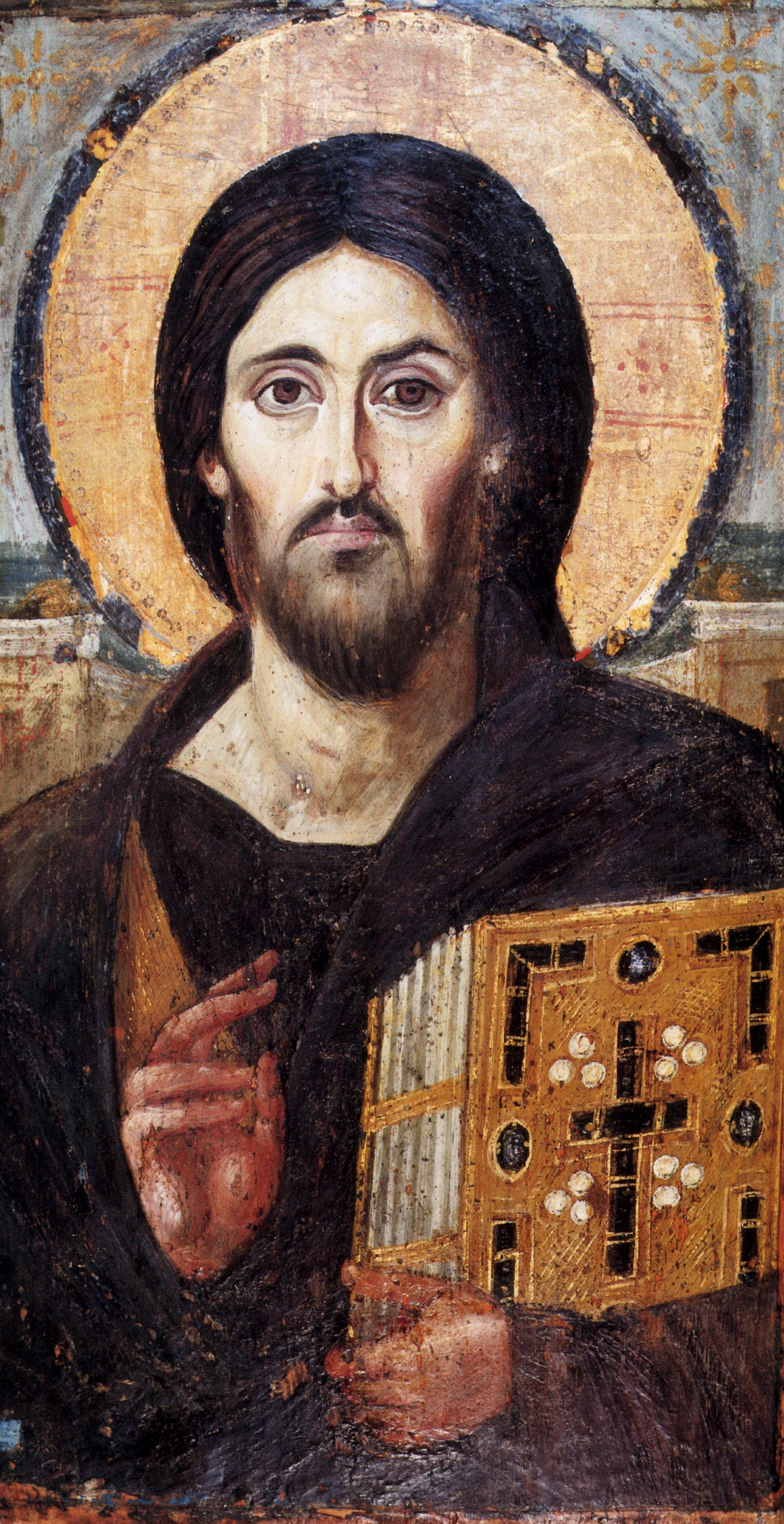
Contrary to popular assumption, first-century sources contain virtually no documentation of Jesus’s physical appearance, according to historical scholarship. No surviving accounts from his contemporaries describe his facial features, hair, skin tone, or build.
The earliest artistic depictions of Jesus date to the fourth century at the earliest, long after his lifetime. These early medieval representations often portrayed him as clean-shaven with short hair, reflecting artistic conventions of their own time rather than historical record. Later Byzantine and Renaissance depictions established the bearded, long-haired image familiar today, but these too are products of their respective eras.
Historians note that Jesus was a first-century Levantine man of modest means, likely working as a carpenter and traveling preacher. Based on what is known about the region’s population genetics and phenotypes at that time, scholars suggest he probably had dark hair and eyes, the most common features in the eastern Mediterranean. His complexion would likely have been olive or tanned from outdoor labor and travel. Beyond these generalities, specifics remain unknowable.
Even Josephus, the first-century Jewish historian often cited as an external source on early Christianity, provided only hearsay accounts rather than direct observation. The New Testament gospels themselves do not describe Jesus’s appearance in any detail.
Modern attempts at facial reconstruction are necessarily speculative, relying on comparative ethnology and skeletal remains from Roman-era Judea to estimate likely phenotypes. Such reconstructions can indicate plausible ranges but cannot establish certainty about any individual’s features.
The absence of physical description stands in stark contrast to contemporary depictions of other notable figures from antiquity, where authors frequently recorded details about appearance. For Jesus, the silence of the historical record has left room for centuries of artistic interpretation, theological symbolism, and cultural projection. Each era’s visual conception of Jesus reflects the assumptions and aesthetics of its own time far more than the historical reality of a first-century Palestinian Jewish teacher.
← Back to home