Midsize Truck Market Remains Divided Over Value and Practicality
Owners and enthusiasts debate the merits of compact pickup trucks as manufacturers push turbo engines and prices climb toward full-size truck territory.
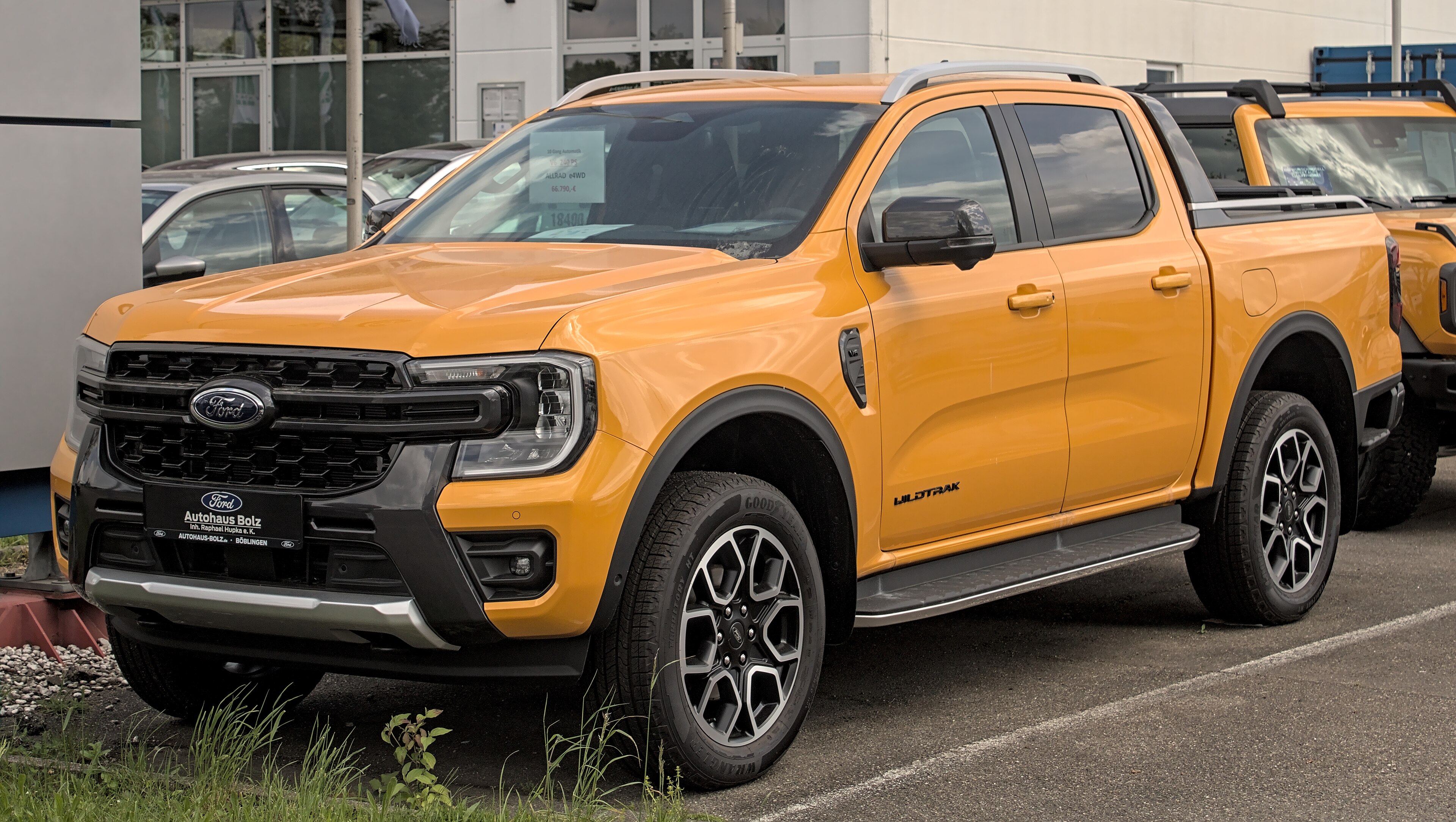
The midsize pickup truck segment continues to spark heated debate among owners and automotive enthusiasts, with opinions sharply divided on whether these vehicles deliver genuine utility or have simply become oversized compromises.
The current generation of midsize trucks, including the Ford Ranger, Nissan Frontier, and Toyota Tacoma, occupy an increasingly ambiguous market position. Models like the Ranger have demonstrated solid real-world fuel economy, with some owners reporting around 23 miles per gallon alongside interior space comparable to mid-size sedans. The Ranger’s EcoBoost turbo four-cylinder engine has earned particular support for its low-end torque characteristics, producing 310 foot-pounds at 3,000 rpm compared to naturally aspirated V6 competitors that require significantly higher revolutions to deliver similar power.
Yet skeptics argue the category has lost its identity. “They were neat back in the 90s when they were small on the outside and big on the inside,” one observer noted. “Now they’re the size of a 20-year-old three-quarter ton with no interior room.” Price escalation has intensified this criticism, base models now creep toward $50,000 for fully equipped variants, narrowing the cost advantage that traditionally justified the segment’s existence.
Reliability concerns plague specific models. The Nissan Frontier faces ongoing discussion regarding its water pump design, mounted behind the timing cover in a configuration critics argue creates excessive maintenance complexity. The newer Tacoma generation drew particular criticism for turbo reliability questions and what some describe as a plastic-heavy interior at premium pricing.
Off-road capability remains a legitimate differentiator for committed users. Owners report that midsize trucks provide superior articulation and agility on challenging terrain compared to full-size alternatives, though this advantage only applies to those actually using vehicles for trail work rather than commuting.
For buyers whose garages or budgets cannot accommodate full-size trucks, midsize models like the Ranger continue to deliver practical value. For everyone else, the segment’s expanding dimensions and rising prices are steering customers toward established full-size platforms or completely different vehicle categories.
← Back to home