Yuusha no Kuzu anime adaptation divides viewers on tone and fanservice
The latest episode of the fantasy series sparked debate over its narrative style, character development, and approach to content regulation.
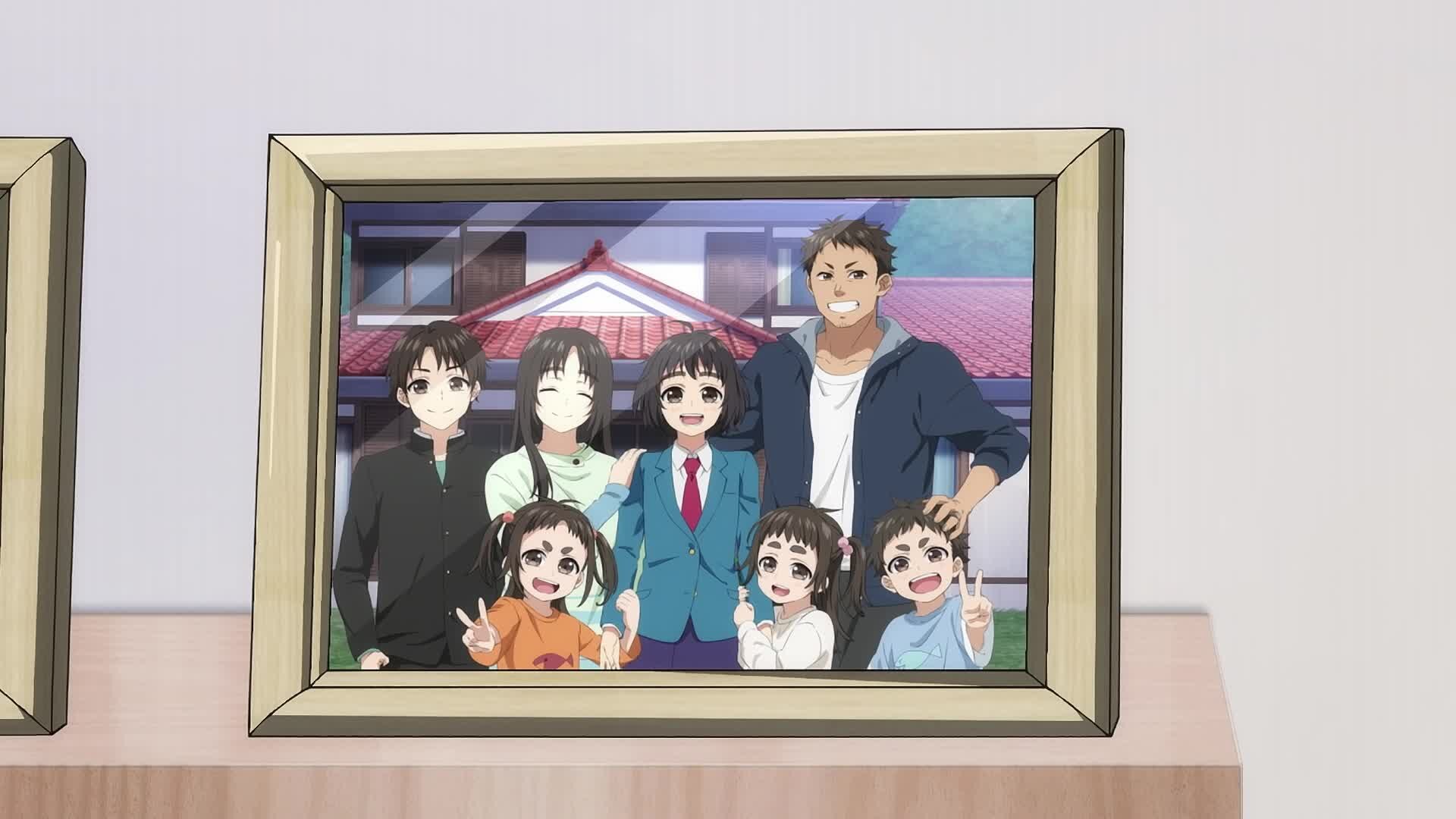
The recent episode of Yuusha no Kuzu has ignited discussion among viewers about the series’ balance of storytelling techniques, character dynamics, and its handling of potentially controversial content.
One major point of contention centers on the show’s reliance on expository narration. Critics argue that the anime inherits a weakness from its source light novel, where first-person perspective and heavy exposition dominate the prose. “The protagonist ends up explaining every skill and move directly,” one observer noted. “It turns into pure telling over showing, and when that carries into animation it just doesn’t land the same.” The complaint reflects a broader tension in adapting Japanese fantasy narratives to visual media, where written exposition can undercut the visual storytelling that defines film and animation.
Others defend the series’ narrative choices. Fans point to tighter worldbuilding compared to similar titles, citing the urban fantasy setting where magical antagonists function as local powers rather than abstract threats. Character interactions also drew praise, with observers describing the cast dynamics as compelling despite the show’s modest animation budget.
The episode’s inclusion of a scene involving underage characters in a bathing scenario, paired with a disclaimer about underage drinking, prompted commentary on censorship standards. The series retained both elements despite apparent regulatory pressure in Japan. One source noted the irony: “They had to put in a disclaimer for underaged drinking, but no disclaimer for the two teenagers who were violently killed.”
Character writing received mixed responses. The development of one teenage character pursuing art alongside her duties as a warrior drew appreciation for its subtle character work. However, the dynamic between adult and teenage characters remained a sticking point, with some viewers finding the framing uncomfortable.
The show’s overall reception settled around consensus that it represents solid mid-tier fantasy entertainment hampered primarily by animation constraints. “This is the most perfect 7/10 show,” one account summarized, citing strong writing undermined by limited visual resources. The series continues to generate debate about how Japanese fantasy narratives translate to animation and what creative choices resonate with contemporary audiences.
← Back to home