The Airline Seat Recline Debate Intensifies Over Etiquette and Design
A heated dispute over seat reclining on public transport reveals deep divisions between those who view it as a passenger right and those who see it as inconsiderate behavior.
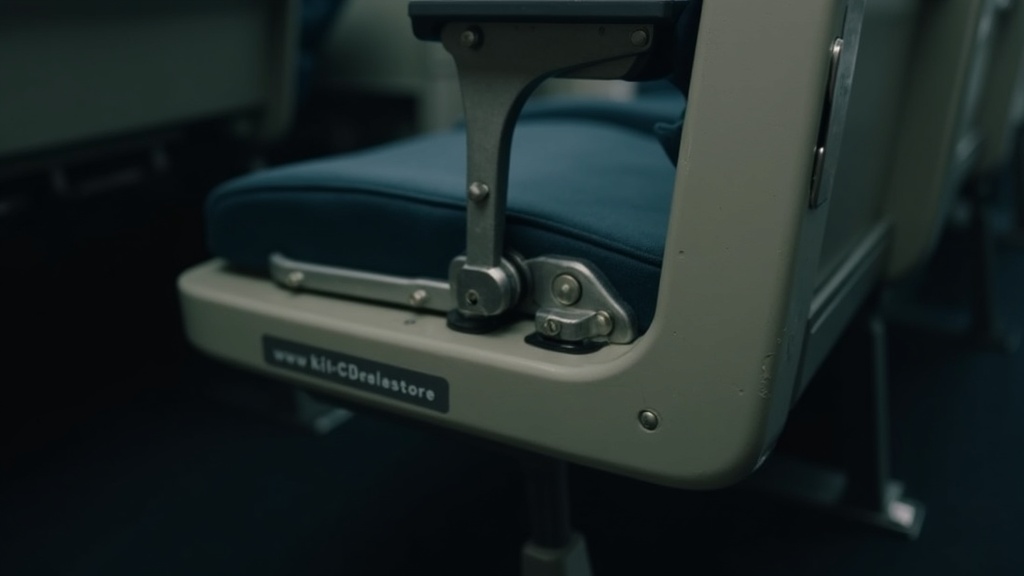
The question of whether passengers should fully recline their seats on trains and planes has sparked fierce debate, pitting personal comfort against what many view as basic courtesy toward fellow travelers.
At the heart of the dispute lies a fundamental disagreement about responsibility. Some argue that manufacturers bear the ultimate responsibility for determining acceptable behavior through their engineering choices. If seats recline, the logic goes, they were designed to be reclined. Others counter that the mere capability to do something does not justify doing it, particularly when it directly impacts the person seated behind.
“The manufacturer made it so the chair can recline onto my knees,” one observer noted. “There’s no sign telling me not to. It’s intended.” This perspective treats the mechanical design as tacit permission.
Opponents of full recline see the issue as one of self-governance and consideration. They compare it to other everyday scenarios where people choose restraint despite having the option to act otherwise. “It’s like people who won’t return their carts saying they pay people to do it,” one source said. “They don’t want to self-govern because it means having to think of other people.”
In Japan specifically, where the debate recently flared, there exists an understood social limit to seat recline that many locals follow but tourists may not recognize. One observer claimed there is “a certain limit that is agreed upon among the Japanese but foreigners don’t know that.” This invisible rule has led to tension, with some foreign travelers feeling singled out for using features the manufacturer provided.
The dispute reveals how design decisions become vessels for unspoken cultural expectations. Some argue that if a particular recline angle is unacceptable, manufacturers should simply engineer the seats to prevent it. Others insist that expecting passengers to navigate unstated social codes is unreasonable.
Meanwhile, practical concerns persist. Tall passengers report having their legroom severely compromised by fully reclined seats, while those in middle seats face particular frustration. Whether a solution lies in design changes, explicit signage, or simply greater passenger awareness remains unresolved.
← Back to home