How Much Ancient Literature Actually Survived to Modern Times
Scholars estimate that less than 10% of classical literature and just 1% of Latin texts have survived to the present day, raising questions about what we've lost.
The scale of literary loss from the classical world is staggering. Current estimates suggest that fewer than one in ten surviving works represent the totality of classical literature ever written, while Latin texts fare even worse at roughly one in one hundred.
This catastrophic attrition has sparked heated debate over who bears responsibility. Some scholars argue that the institutional collapse of the Roman Empire in the West during the 5th and 6th centuries was the primary culprit. When urban centers declined and the elite literate class that maintained private libraries and manuscript production networks disappeared, so too did the infrastructure for copying and preserving texts.
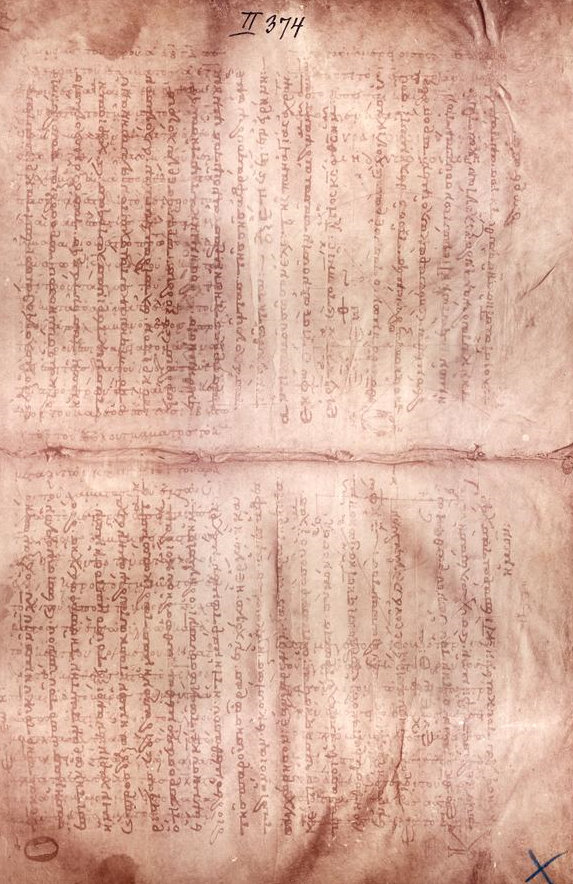
Others point to the role of early Christian monasteries and institutions. While monks did preserve some classical works, they selectively chose what to replicate based on perceived usefulness for theological or educational purposes. The Archimedes Palimpsest stands as a notable example: a 10th-century copy of the mathematician’s work was scraped clean so monks could write prayers on the parchment, causing the text to vanish for over a thousand years until modern imaging techniques rediscovered it.
Pagan temples, which functioned as libraries and archives storing local histories, legal records, and technical manuals alongside religious texts, were closed as Christianity became the dominant religion. The closure of centers like the Neoplatonist Academy in Athens meant that texts maintained by pagan scholars ceased to be copied, contributing to further loss.
However, historians note that textual loss was not unique to late antiquity. Even during the classical period, works vanished through neglect or accident. What changed was the mechanism of preservation. Where the Roman elite once maintained texts through private collections and state libraries, Christian monasteries became the new custodians, but with different priorities.
The texts that survived often did so by accident. Works essential to teaching Latin grammar, like Virgil, or crucial for philosophical debate, like Aristotle, were copied repeatedly and thus stood better odds. Many specialized treatises, obscure philosophical works, and pagan religious texts simply fell out of favor and disappeared permanently.
Today’s scholars face an uncomfortable reality: the library of antiquity is gone, and we can only estimate what we’ve lost based on fragmentary references, quotations embedded in surviving works, and the occasional discovery like the Archimedes Palimpsest. The question of responsibility, whether institutional collapse, religious priorities, or simple economics drove the loss, remains contested among academics studying this period.
← Back to home