Firearms Forensics Under Fire as Courts Question Reliability
Ballistic matching, long a cornerstone of criminal prosecutions, faces growing scrutiny over methodological flaws and subjective judgment calls that may have sent innocent people to prison.
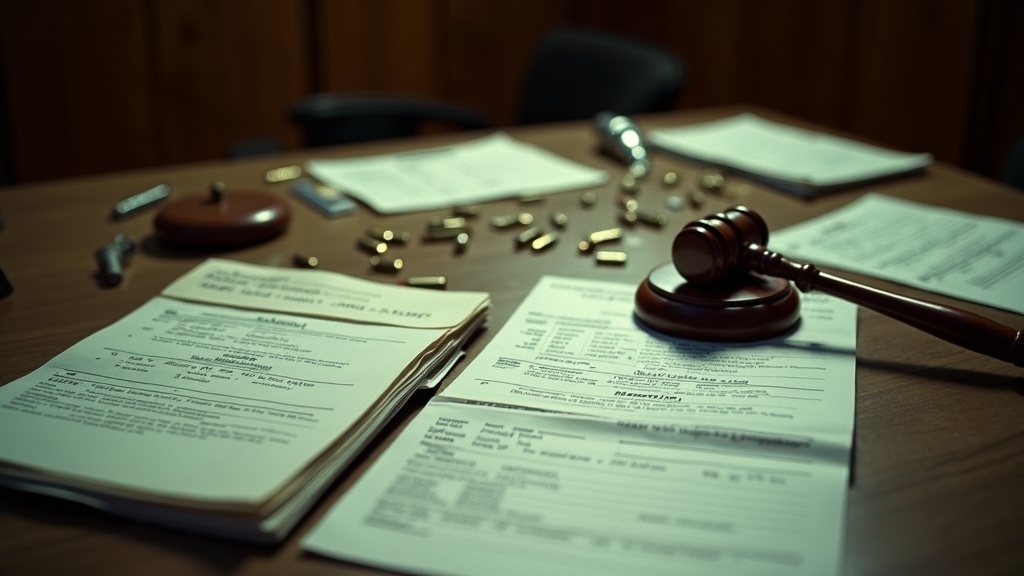
Firearms forensics, the practice of matching bullets and cartridge casings to specific weapons, is facing a credibility crisis in American courts. Once treated as near-infallible evidence, ballistic analysis now stands accused of relying too heavily on subjective expert opinion while lacking the rigorous reproducibility standards demanded by modern science.
The field’s troubles run deep. Unlike DNA analysis or blood typing, firearms forensics has no universally accepted error rates, no standardized testing protocols, and no independent accreditation requirements. Examiners trained in one jurisdiction may use entirely different methods than those across the border. A firearms expert’s conclusion that two bullets “match” often rests on visual comparison alone, with no mathematical threshold defining what constitutes a match.
“It’s just some examiner saying he thinks the things look the same,” one observer noted, capturing the core complaint: the discipline hasn’t kept pace with modern forensic standards. Critics point out that bullets fragment unpredictably, and firearms leave variable marks influenced by ammunition type, wear, and firing conditions. The certainty with which examiners have testified in court for decades doesn’t match the actual reliability of their methods.
The problems aren’t theoretical. Forensic experts have testified with near-absolute certainty in countless cases, contributing to wrongful convictions later overturned by DNA evidence. The field shares a troubled history with now-discredited practices like bite-mark analysis and fingerprint “matching,” which courts accepted for years before recognizing their limitations.
Defense attorneys and some law enforcement agencies now argue ballistic evidence should be excluded from trial or presented with explicit caveats about its limitations. Prosecutors counter that eliminating the evidence wholesale ignores cases where firearms do leave identifiable marks. The real debate, observers note, isn’t whether guns can leave toolmarks, but whether examiners can reliably identify those marks with courtroom certainty.
Forensic science reform advocates have called for firearms examiners to undergo blind proficiency testing, adopt standardized methodologies, and publish error-rate studies. Some jurisdictions have begun implementing these changes, but progress remains uneven. Meanwhile, the evidence sits in thousands of case files, its reliability increasingly questioned by the very courts that once treated it as bedrock.
← Back to home